Geography
Geography Lead- Miss Ife
last updated: 26/01/2026
Geography is a valued part of a broad and enriched curriculum, which inspires children to be curious and appreciative about the world around them. The subject explores the relationship between the Earth and its people through the study of place, space and environment. Through high-quality lessons, pupils learn about their own locality, whilst becoming aware of and developing knowledge and understanding of the world beyond their own environment.
INTENT
We intend for our Geography curriculum to build secure, long‑term learning through carefully sequenced knowledge and skills.
Our Geography curriculum is designed so that children build their understanding step by step, developing strong foundations that grow over time. Through a sequence of knowledge and skills, pupils learn to think like geographers—observing, questioning, comparing and explaining the world around them. This approach helps children develop resilience, using prior learning to tackle new challenges with confidence and positivity.
We intend for our Geography curriculum to develop independent, motivated learners.
We want children to become curious, confident explorers of their world. Our curriculum encourages them to ask thoughtful questions, investigate places and draw conclusions using maps, fieldwork and real‑world examples. As their geographical knowledge strengthens, they gain the motivation to explore ideas more deeply and apply their learning with increasing independence.
We intend for our Geography curriculum to foster unity, cultural awareness and respect for diversity.
Geography helps children understand the connections between people, places and environments. Our curriculum promotes unity by showing pupils how communities in our local area of Arnold and across the world share similarities as well as differences. Children learn to appreciate diverse cultures, traditions and ways of life, developing empathy and respect for others. Through positive discussions and collaborative learning, pupils build strength in their understanding of global citizenship and recognise the importance of caring for the planet and the people who live on it.
We intend for our Geography curriculum to be inclusive and ensure all children can access and excel.
We believe every child should experience success in Geography. Lessons are designed to be accessible, supportive and ambitious for all learners. By offering varied learning opportunities—visual, practical, verbal and written—we ensure that every pupil can participate, progress and shine. Our approach nurtures resilience, celebrates creativity and builds the positivity children need to overcome barriers.
IMPLEMENTATION
We teach the National Curriculum, supported by a clear skills and knowledge progression. This ensures that skills and knowledge are built on year by year and sequenced appropriately to maximise learning for all children.
As the children work their way through the school, their knowledge and skills develop in a progressive manner, allowing them to build on and broaden their prior learning.
Locational Knowledge – Within this, children name and locate the worlds continents, countries, oceans, and capital cities. As the children progress, they will look deeper into this, focusing on using maps to explore a countries environmental regions, mountain ranges, hills, coasts and rivers. They will look at land-use patterns and understand how some of these have changed over time. Children will also look at the position and significance of latitude, longitude, the Equator, Northern/Southern Hemisphere, the Tropics of Cancer and Capricorn, Arctic and Antarctic circle, the Prime/Greenwich Meridian and time zones.
Place Knowledge – Children should understand geographical similarities and differences through the study of human and physical geography. Within Key Stage 1 the children focus on a small area of the United Kingdom and a small area of a contrasting non-European country. In Key Stage 2, this further progresses to them looking at a region of the United Kingdom, a region in a European country and a region within North or South America.
Human and Physical Geography – In Key Stage 1, the children focus on identifying seasonal and daily weather patterns in the United Kingdom and the location of hot and cold areas of the world. They are able to recognise the difference between human and physical features. Physical - This progress from beach, cliff, coast, forest, hill, mountain, sea, ocean, river, soil, valley, vegetation, season and weather; to including climate zones, biomes and vegetation belts, rivers, mountains, volcanoes and earthquakes, and the water cycle in Key Stage 2. Human - city, town, village, factory, farm, house, office, port, harbour and shop progressing to types of settlement and land use, economic activity including trade links, and the distribution of natural resources including energy, food, minerals and water in Key Stage 2.
Geographical Skills and fieldwork – Children develop practical skills within this area of Geography, using atlases, maps and globes to identify countries, continents and oceans, furthering this in Key Stage 2 by using digital/computer mapping. Compass skills are also developed, initially looking at the 4 points, and progressing onto 8 points, also developing their directional language through map work, references, symbols and ordinance survey maps. The children will also have opportunities to use fieldwork and observational skills to study the school, surrounding areas in Key stage 1, furthering this in Key stage 2
Lessons are engaging and interactive and we immersive children into the practical skills of geography too by using appropriate equipment.
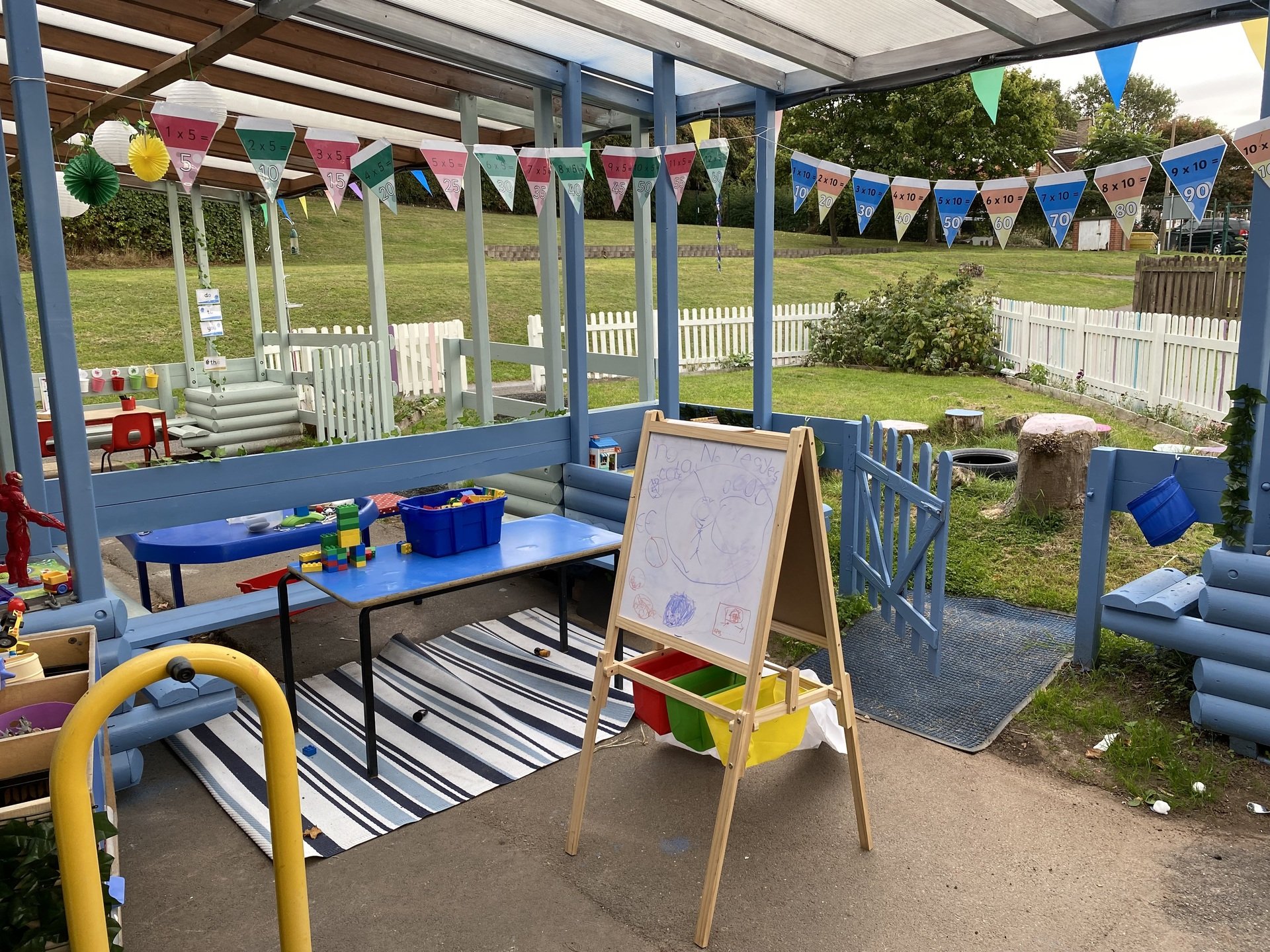
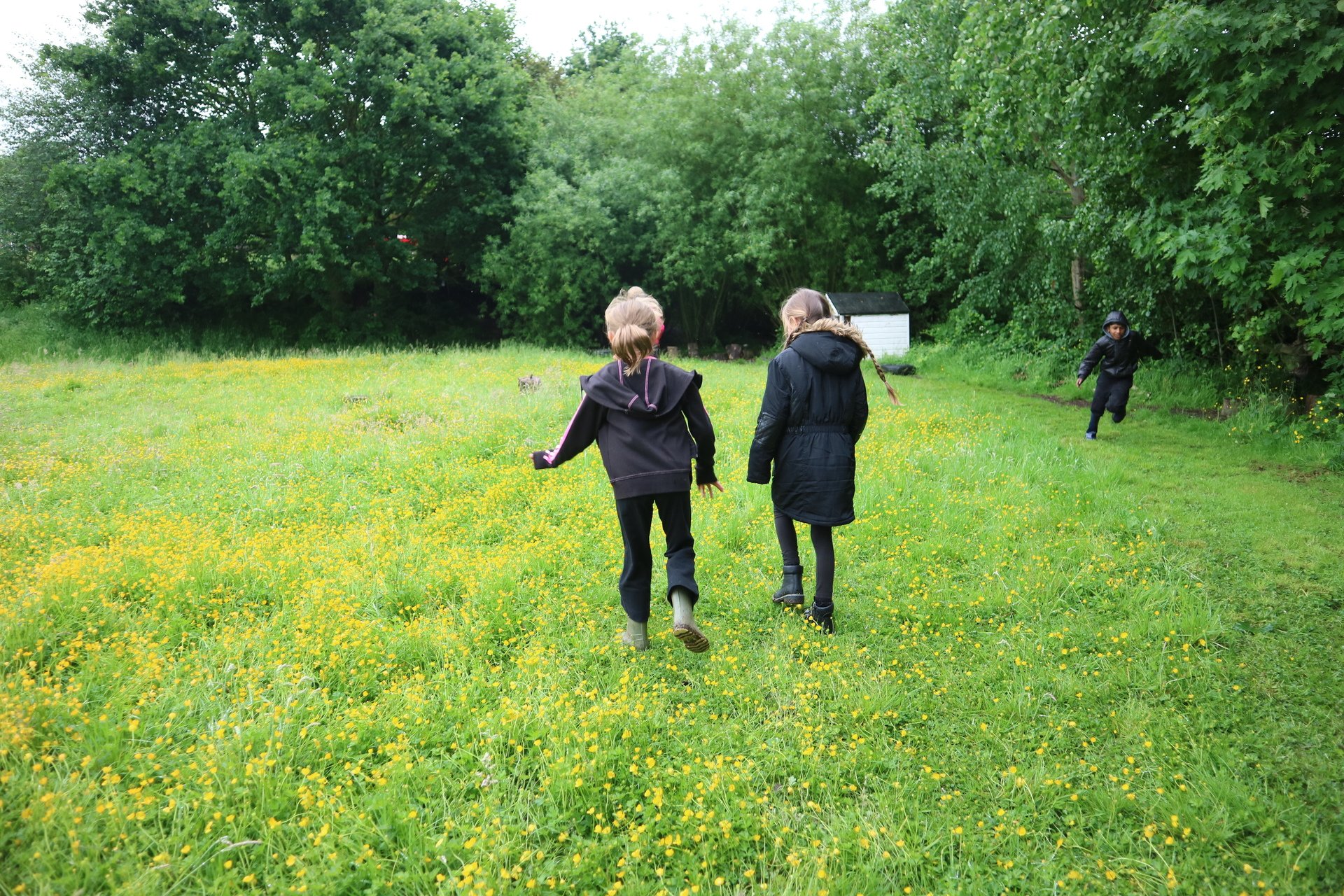
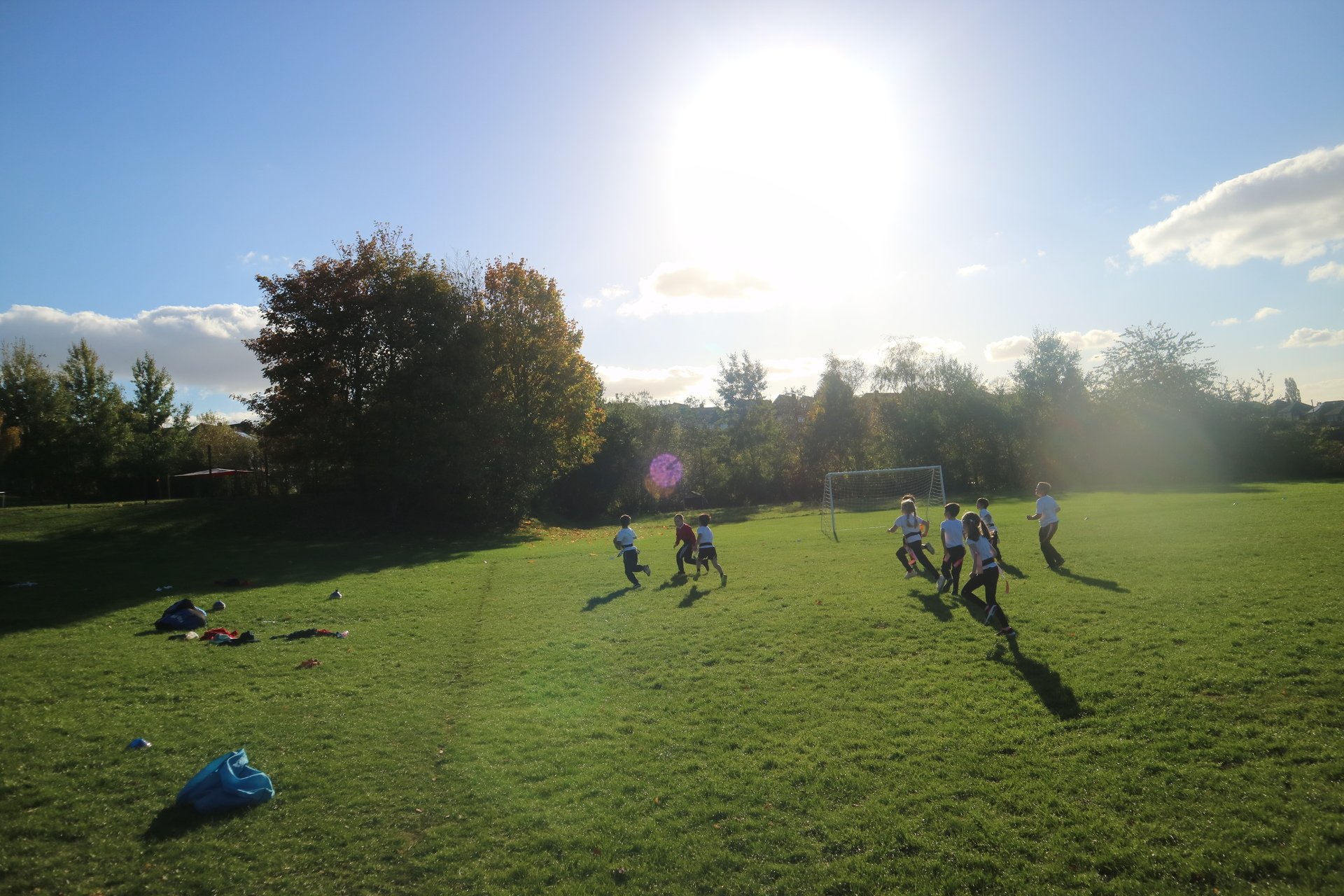
We have extensive grounds and use these when looking at skills such as fieldwork and orienteering. It is important that children develop the skills of a geographer by fully immersing them in all areas of the subject. This gives children an understanding of life outside of their locality.
IMPACT
The impact on children's learning will be:
- To have a good knowledge of where places are and what they are like.
- To have a good level of understanding of how places and people are connected to one another.
- To have a range of geographical vocabulary that children can use confidently.
- To conduct a geographical enquiry which includes the use of questioning skills and effective analytical skills.
Teachers will assess children’s work in geography by making assessments as they observe them working during lessons. They record the progress that children make by assessing the children’s work against the learning objectives from the national curriculum.
Useful documents:
Information about Geography in Primary Schools: National Curriculum for Geography
GEOGRAPHY PROGRESSION MAP COMING SOON...
Useful websites:
BBC Bitesize: Rivers and Coasts
Google Earth: Download and install Google Earth to explore the world